Zero Waste Guide To Gutter Cleaning in Kingston & Hobart!
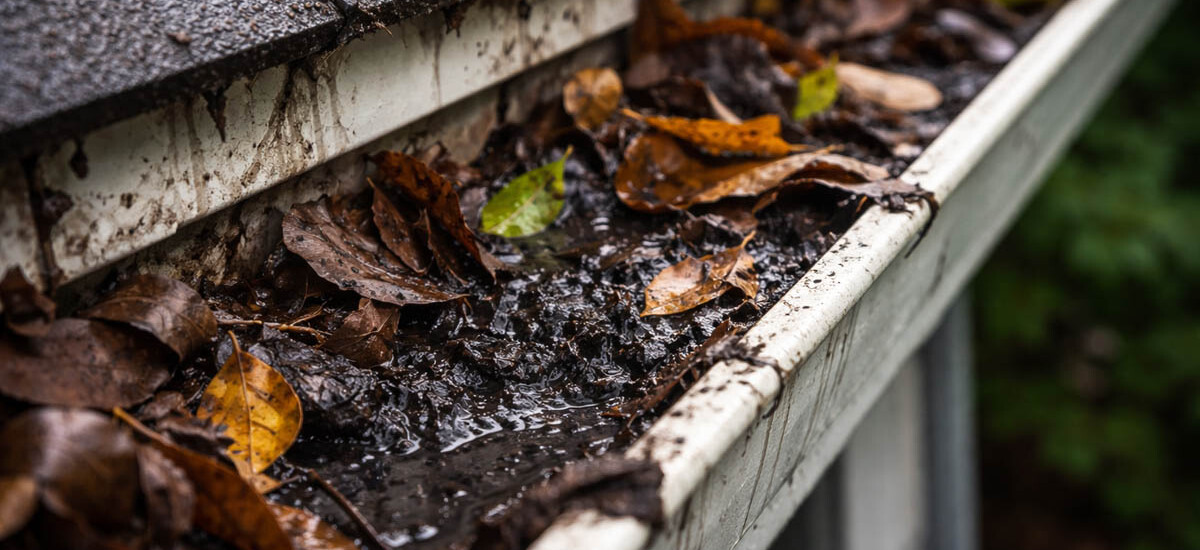
Hello, eco-friendly friends! Today, we're talking about gutters. Those debris magnets that sit on your roof, collecting all sorts of organic matter from leaves and bark, to moss and seed pods. It's very common for homes in Kingston and Greater Hobart to accumulate a lot of sludge and debris in their gutters, thanks to the leafy trees and damp weather. But what's not normal is how most people handle the debris they collect.
Hundreds of homeowners are just bagging up this organic matter in plastic bags and sending it off to the landfill! As a zero-waste enthusiast, I find this mind-blowing. Think of all that organic debris gone to waste! There has to be a better, greener way to carry out gutter cleaning in Kingston.
In fact, there is! And the best part is, it costs you nothing but gives you a lot back. Instead of treating gutter debris like trash, let's turn it into some garden goodness! You'll reduce waste, cut out the plastic bags, and even get healthier soil in the process. If this sounds good to you, read on for my zero-waste guide to gutter cleaning!
Preparing To Start
Before you start climbing any ladders, let's make sure we have everything we need for some zero-waste gutter cleaning. Here are the basic supplies you're going to need:
Gloves: A pair of thick, reusable gloves will protect your hands during the cleaning process.
Bucket: Find yourself a sturdy bucket. A bucket hook is handy too to keep your hands free while you work! A reusable garden tub or lidded compost caddy can also work well for carrying the debris straight to your compost area once you are done.
Scoop: Choose a small scoop or hand trowel that you don't mind getting dirty.
Sheets: Old towels or washable sheets are great for protecting surfaces below, especially near your patios or entryways.
Having a bucket with you is really important. Don't do what I did the first time and toss the debris down onto your lawn or patio. It might be easier in the moment, but you'll seriously regret it later when your garden is covered in sludgey mess, and you have to pick it all up. Trust me, it's much better to collect everything in a bucket from the start!
Safety First!
Now that you've got your tools ready, the next step is to make sure you can do the job safely. Gutter cleaning in Hobart shouldn't be taken lightly, even if you're doing a DIY job. First up, you'll want to get a sturdy ladder and make sure it's on flat, stable ground. Always check the condition of a ladder before climbing it! The type of ladder you use is also important. WorkSafe Tasmania warns that portable ladders are among the least stable options for working at height and that extension ladders should be used to ensure safe work at height. It's wise to read the working at heights safety guidelines before you start climbing any ladders.
Having a spotter is another good idea! Whether that's your husband, wife, friend or next-door neighbour, having someone with you while you work helps keep you safe. They can keep your ladder steady and watch for slipping. Plus, they can pass you tools when you need them!
When you're using a ladder, never lean too far sideways or overreach, as this can cause nasty accidents. Move your ladder whenever you need to. Even if it is annoying to climb up and down, it will save you a trip to the hospital! And please never work in wet or windy conditions.
Scooping Out The Debris
Okay, now we can really get stuck in! When it comes to gutter cleaning in Kingston, you should always start at the downpipe end and work in short sections. This keeps the flow of debris under control and makes it easier for you to see any compacted spots! Lift out the loosest layer first, which is usually things like dry leaves, twigs, and seed pods. Pop all of this into your bucket!
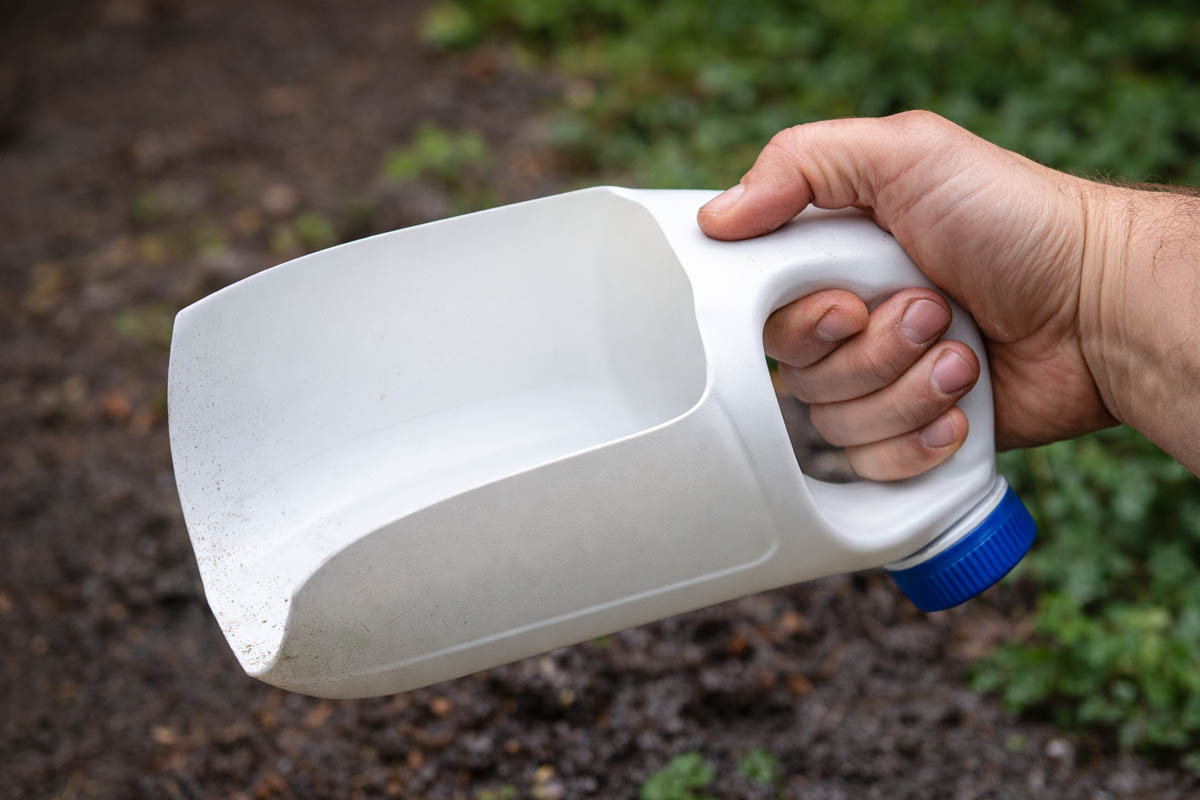
Zero Waste Hack: A repurposed plastic container can make a surprisingly good scoop! To make your own, just grab an old detergent bottle, milk bottle or large yoghurt tub and cut it down so you have a curved edge and a comfortable grip. It is zero waste, works really well and saves you money, win-win-win!
Once you've got rid of that first layer, you can move on to scraping up the heavier sludge underneath, yuck. My advice would be to keep the bucket close to where you are working so you are not twisting around all the time or stretching too far. And make sure you fill it gradually rather than packing it to the brim! A half-to-three-quarters-full bucket is easier to control and far less likely to slosh gutter sludge down your wall.
When you need to bring your bucket down, simply pass it to whoever is keeping you company while you work, so you can climb down safely. If that isn't possible, then don't carry a full bucket one-handed while climbing. Tie the handle to a rope, climb down carefully, then lower the bucket slowly to the ground. Much safer!
Sorting The Debris
Right, so now you have collected a bunch of organic debris, but we can't just dump it straight into the compost bin! We need to sort through it first. Gutter buildup is rarely just pure plant material. Alongside all those leaves and twigs are probably bits of plastic, roof residue, bird-nesting scraps, and other random litter that has blown in from the street. Here's your step-by-step debris sorting guide:
Empty the gutter debris into one spot or container where you can sort through it properly.
Pull out the clean organic material first: leaves, pine needles, twigs, bark, seed pods, and moss.
Set aside anything synthetic, such as plastic wrappers, packaging scraps, cable ties, or other blown-in rubbish.
Check the finer material closely for asphalt shingle grit, roof dust, or other roofing residue.
Keep only natural garden matter for composting.
Dispose of the non-compostable waste separately so it does not contaminate your compost bin!
Put simply, only the natural stuff should go in your compost bin; anything else needs to stay out!
How To Compost It
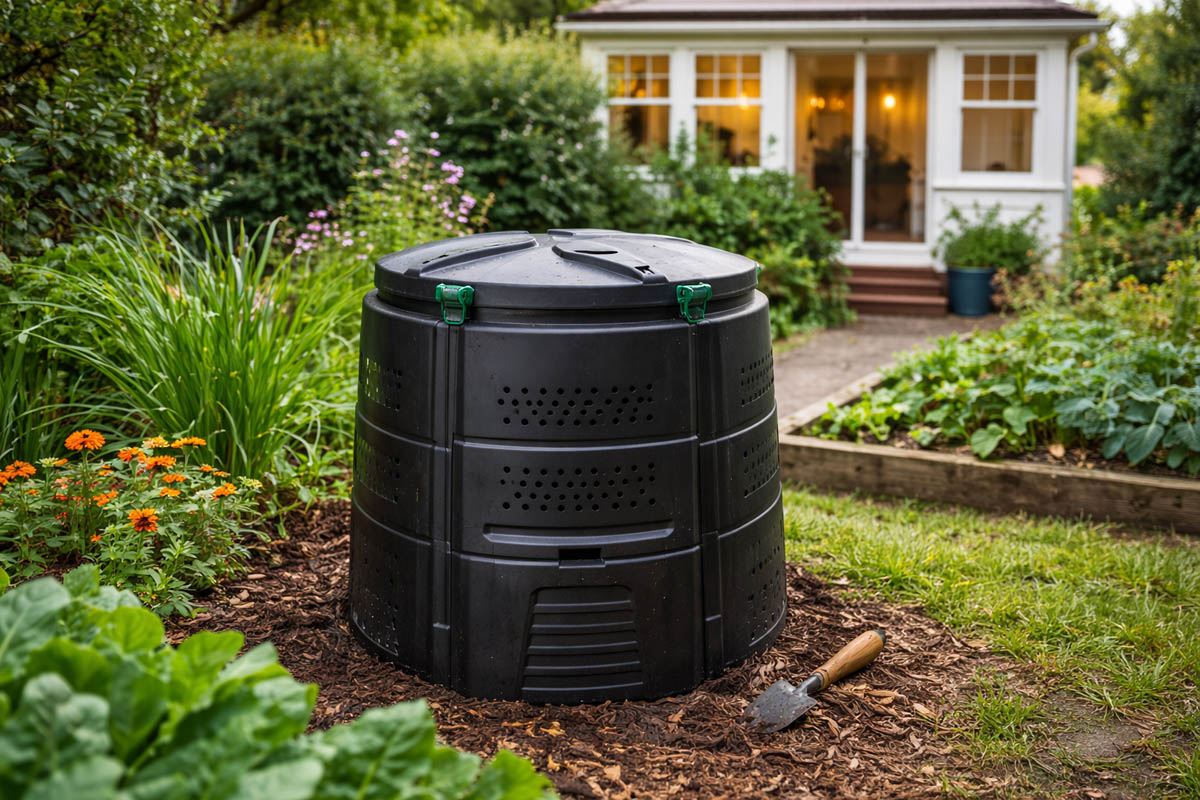
Once you have sorted out the natural material from the synthetic , the next step is composting it. Good compost is all about balance. You need "browns", which are dry, carbon-rich materials, and "greens", which are softer, nitrogen-rich materials that help the pile heat up and break down faster.
This is why gutter waste is composting gold! The dried leaves, pine needles, small twigs, bark bits, and brittle seed pods collected during gutter cleaning are excellent browns. They add structure, improve airflow, and prevent your compost from turning into a wet, smelly heap. On their own, though, they can sit there for ages doing very little! They need "green" material mixed through the pile to get things moving.
That is why it helps to layer your gutter debris with household greens. Vegetable scraps, fruit peels, coffee grounds, tea leaves, and fresh garden clippings all provide the nitrogen needed to fuel the composting process. A simple mix works well: add a layer of gutter browns, then a thinner layer of kitchen greens, and repeat.
Keep the pile slightly damp, not soggy, and turn it now and then to let air through. With the right mix, that old gutter sludge will start turning into rich, nutritious compost your garden will love!
Benefits for Your Garden
It's true that the zero-waste edition of Kingston gutter cleaning is a little more involved than simply dumping everything in the bin, but the benefits are worth it, I promise! Here are some of my favourite benefits that motivate me to keep doing gutter cleaning the zero-waste way:
Free Natural Fertiliser: Broken-down gutter material becomes a nutrient-rich compost that acts like a natural fertiliser. The leaves, twigs, seed pods, and other organic matter slowly decompose into dark, crumbly material that feeds your plants without costing you money on store-bought products!
Rich Compost: The natural compost you can create from gutter waste improves soil health by returning organic matter to the soil. It can help loosen dense soil, improve airflow around roots, and support a healthy soil structure your plants will love.
Boost Water Retention: The zero-waste gutter-cleaning method boosts water retention, which is especially helpful when preparing garden beds for spring planting. Natural compost helps the soil retain moisture longer, so young plants and seedlings get a steadier supply of water.
100% Satisfaction Guarantee: There is a real sense of satisfaction in zero-waste gutter cleaning. Cleaning out dirty, sludgey gutters usually feels like a grim little chore, but composting that debris turns the whole thing into a big win because you are creating something your garden can actually use.
Enjoy The Zero Waste Approach To Gutter Cleaning
A zero-waste approach to gutter cleaning is extremely rewarding. Just keep things simple: remove the debris, sort it properly, compost the natural matter, and feed your garden. It is practical and far less wasteful than treating every soggy leaf as rubbish!
So next time your gutters start filling up, skip the plastic bag and try the lower waste option instead. And if cleaning out gutters feels like too much for you this season, let the experts in Hobart gutter cleaning handle the heavy lifting. Just make sure you remind them to keep all the organic waste for you to compost afterwards!