Are Whirlybirds A Good Choice For Roofing Projects?
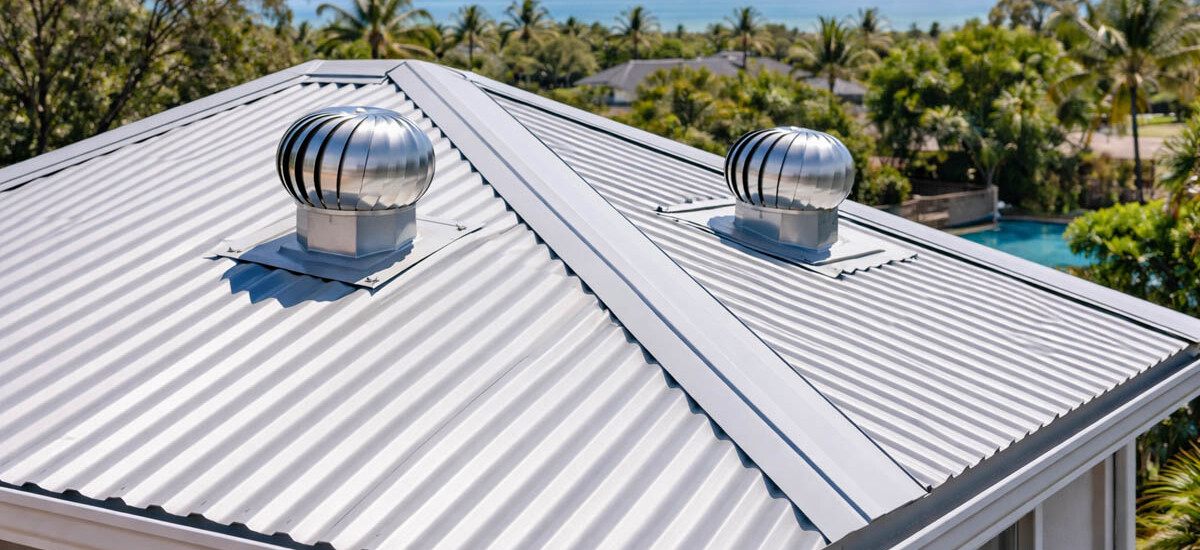
When you're planning a roofing job, ventilation might not be the first thing on your list… but it really should be! Poor roof ventilation can cause major headaches down the line, from heat build-up and moisture issues to unhappy clients facing high energy bills. That's why you need whirlybirds, one of the most common and affordable ventilation options used across Aussie homes and commercial buildings.
But are whirlybirds actually worth installing on your projects, or are there better options that tradies should consider?
This guide will answer that question for you, explaining what whirlybirds do, how they perform in intense Australian conditions, and whether they're the right fit for your roofing job. We'll look at the benefits of installing them, key installation tips, and even compare them with other roof ventilation systems tradies are using on the job. And at the end, I'll even show you where to buy them so you're getting high-quality, 100% Australian-made whirlybirds!
Whether you're quoting a reroof in Cairns or a new build in Melbourne, this guide will help you make the right call for your clients and your reputation.
Why Does Roof Ventilation Matter For Aussie Tradies?
Before you even pick up your tools, roof ventilation should be a key part of your project planning. Why? Because proper airflow can make or break the long-term performance of any roof you install, especially in Australia's tough climate.
Aussie roofs have to endure intense heat and humidity, especially during summer. Without effective ventilation, trapped heat and moisture can lead to a host of issues for your clients, including warped timbers, mould, condensation, and even reduced roof lifespan. On top of that, poor airflow forces air conditioners to work harder, leaving your clients with high energy bills and potential complaints, not great for repeat business.
For tradies and roofing contractors, the right ventilation shouldn't be an afterthought. It should be a core part of delivering a professional, high-performance roofing system! Getting it right means fewer callbacks, better client satisfaction, and roofs that perform well for your clients.
Whether you're installing Colorbond, tiles, or metal sheeting, factoring in ventilation early in the job ensures everything works well together. So before laying down a single sheet or tile, ask yourself: how's this roof going to breathe?
What Are Whirlybirds?
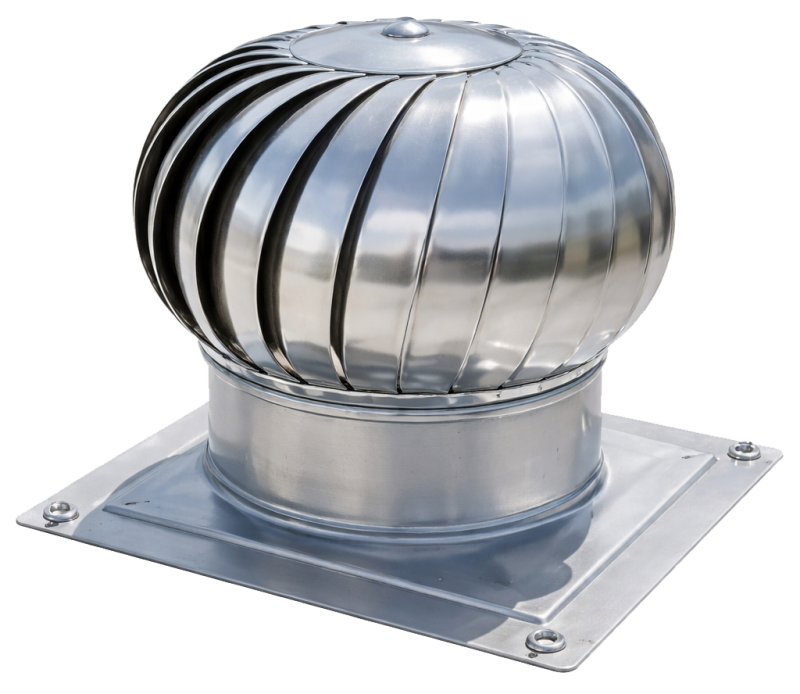
Whirlybirds, also referred to as turbine vents, are one of the most widely used roof ventilation systems in Australia! They're great for residential or commercial properties. You've probably seen them before, spinning away on rooftops. But what do they do?
A whirlybird is a wind-powered, rotating vent that can be installed on a roof. As the wind spins the turbine, it creates a vacuum effect that draws hot, stale air out of the roof cavity. This helps remove excess heat and moisture, improving airflow and reducing the internal temperature of the building, without using any electricity!
Even when there's not much wind, many modern whirlybirds are designed to keep spinning with minimal airflow, providing constant ventilation. Some models also have ball bearings for smoother operation and quieter performance. Whirlybirds are a low-maintenance, cost-effective, and easy-to-install ventilation option, which is why so many tradies choose them for their projects!
Are Whirlybirds Effective in Australian Climates?
Australia's climate is tough. We experience scorching summers, tropical humidity, and damp winters. Do whirlybirds hold up across these varying climate conditions? The answer is yes!
Whirlybirds are extremely effective during the warmer months, helping to reduce heat buildup in your roof space. They extract hot air, ease the load on air conditioning systems and make homes feel much cooler. Whirlybirds also prevent moisture build-up if you live in a damp climate such as Victoria or Tasmania, where poor ventilation causes mould, timber rot and condensation.
Their only limitation is that their performance is dependent on the wind. If your client is located in a low-wind area or when there's insufficient intake airflow (like eave vents), whirlybirds may be less effective. That said, whirlybirds can still operate in light winds thanks to their lightweight design and ball-bearing systems; they just won't be as powerful as in windier conditions.
Pros of Installing Whirlybirds on Your Roofing Project
Installing whirlybirds on your roofing projects brings many benefits both for you and your client! Here's why more tradies are including them in their quotes:
Easy Upsell
Whirlybirds are an affordable add-on that's easy to pitch to clients. Once you explain how they improve ventilation and lower internal temperatures, most homeowners are more than happy to include them in the job!Fast Installation
Installing a whirlybird is quick and straightforward, especially if you're already on the roof for a re-roof or new install. With no wiring or power needed, they can be fitted in under an hour.Adds Value
A well-ventilated roof adds long-term value to a home. Clients really appreciate energy efficiency and reduced risk of roof damage. It's a simple feature, but they'll notice the difference.Satisfied Clients
Whirlybirds lead to noticeable improvements in comfort, especially during hot Aussie summers. And as every tradie knows, happy clients mean positive reviews and referrals!Fewer Callbacks
Proper ventilation helps prevent mould, condensation, and heat damage, all things that can lead to expensive callouts! Whirlybirds are a simple way to future-proof your work and reduce the number of callbacks you receive.
When Are Whirlybirds the Right Fit? A Tradie's Checklist
If you are a tradie planning a roofing project, but aren't sure whether a whirlybird is the right fit, here's a quick checklist to help you decide:
Low to moderate roof ventilation is currently in place
Clients looking for a budget-friendly ventilation upgrade
Homes with high roof space heat retention in summer
Projects in areas with regular light to moderate wind
Roofs with proper intake airflow (e.g. eave vents)
Clients wanting a low-maintenance, no-power solution
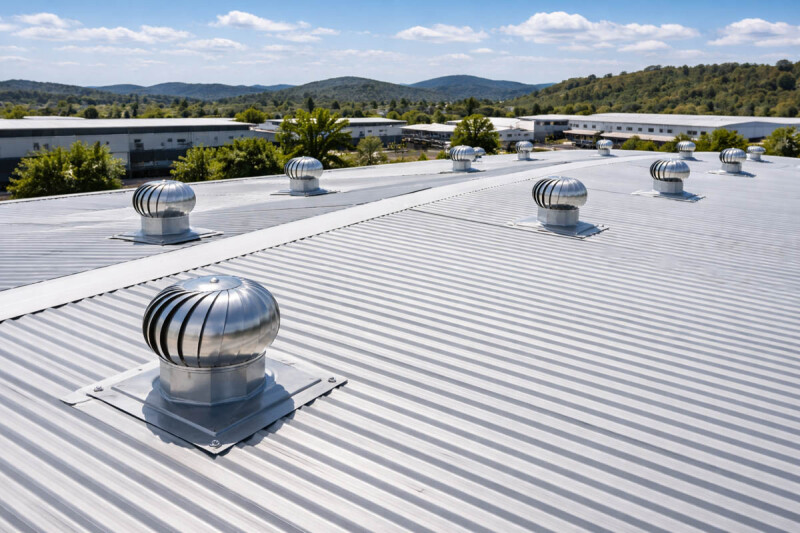
Whirlybirds are especially effective on metal or Colorbond roofs, where heat build-up can be intense. They can be used for both residential and commercial projects. If your project ticks most of the boxes above, whirlybirds are a reliable, affordable option for you to add value and boost airflow!
Alternative Roof Ventilation Options Worth Considering
While whirlybirds are a popular choice, they're not always the best fit for every roofing job. Depending on the roof design, climate, and client expectations, here are a few alternatives worth considering for tradies:
Solar-Powered Roof Vents: Ideal for low-wind areas or when active airflow is needed. These run on sunlight and move much more air than passive systems. They're great for hot, enclosed roof spaces.
Ridge Vents: Installed along the roof peak, they allow hot air to escape naturally. Best used with proper intake vents and suited to new builds or full reroofs.
Gable Vents: Mounted on the exterior walls of the roof cavity, gable vents assist with cross-flow ventilation and work well in combination with other systems.
Mechanical Roof Ventilators: These powered units are suitable for commercial buildings or high-moisture areas such as kitchens and laundries.
Whirlybird Installation Tips For Tradies
Installing a whirlybird might seem straightforward, but getting the most out of it requires proper planning and a bit of know-how. Here are a few installation tips to help you get the Whirlybird installation right the first time!
Whirlybirds work best when they're part of a complete ventilation system. That means pairing them with intake vents, such as eave or soffit vents, to allow fresh air to enter while hot or moist air is expelled. Without adequate airflow coming in, the whirlybird can't create the pressure difference needed to move air effectively.
Placement is also critical! Always install whirlybirds on the upper third of the roof, close to the ridge, where hot air accumulates. On larger roofs, you'll need to install more whirlybirds to achieve proper ventilation. As a general rule, one whirlybird covers about 90–100 square metres. Make sure to follow the manufacturer's guidelines for spacing and sealing, especially on metal roofs, where improper installation can lead to leaks!
Avoid placing them too close to flues or exhaust fans, as this can disrupt airflow or create backdrafts. When installed correctly and in the right conditions, whirlybirds are a reliable, low-maintenance solution that improves roof performance and keeps your clients happy long after the job's done!
Where To Buy Whirlybirds From
Once you've decided that whirlybirds are the right fit for your roofing project, the next step is choosing a supplier that offers quality, reliability, and support! Not all whirlybirds are built the same, and as a tradie, you want a product that's engineered to withstand Australia's harsh conditions, whether you're working in the heat of the outback or the coastal winds of the east.
Look for Australian-made products that are cyclone-rated, UV-resistant, and designed specifically for local roofing profiles like Colorbond and corrugated metal. A good supplier should also offer detailed installation guides, product warranties, and trade-friendly service!
Many professional roofers prefer to source their whirlybirds from specialist manufacturers who focus solely on ventilation products. These companies often offer better product engineering, more customisation options, and faster delivery than generic hardware stores.
Whether you're after a single unit for a small job or bulk orders for large-scale projects, choosing the right supplier ensures your installation goes smoothly, and your client gets lasting results. It will make all the difference on your next roofing job!